Fire & Smoke Damage Restoration in Norwood

Local crews · Open 24/7 · (513) 643-8700

In Norwood, fire damage restoration deals with the burn damage, the smoke and the water used to put out the fire. Soot can stain walls and ceilings, and smoke odor can soak into fabric and wood. First we board up and tarp the home where needed to keep out weather and intruders. Then we clean surfaces and belongings and work to remove the smoke smell. We can also guide you through the insurance claim and help plan the rebuild.

  • Board-up and roof tarping to protect the home.
  • Soot and smoke cleaning for rooms and belongings.
  • Help with the insurance claim from start to finish.

Norwood is a city in Hamilton County that is surrounded on all sides by Cincinnati. It was settled as an early suburb north of Cincinnati, and many of its homes are older. Any house can take on water from a leaking pipe, a failed water heater or a hard rain. Fire and smoke can harm a home too, and wet spots left alone can grow mold. Our crew serves all of Norwood, and we pick up the phone 24/7.

Crews dispatch 24/7 from our Sharonville base at 12100 Mosteller Road, Suite 100 and cover all of Norwood — one local team, no subcontracted call centers. See all services in Norwood or read more about fire & smoke damage restoration.

If a fire has damaged your Norwood home, call United Water Restoration Group of Cincinnati East at (513) 643-8700. We will walk you through the next steps.

Common Causes We See in Norwood

  • Faulty electrical wiring that sparks a fire.
  • Kitchen fires left unattended, which leave protein residue and strong odors.
  • Chimneys that are not cleaned, where soot builds up and can catch fire.
  • Heating equipment that is not working right and sparks a fire.
  • Candle accidents that spread to the home.
  • Flammable materials stored the wrong way, which make fires worse.
  • Lightning strikes that start roof fires during storms.
  • Cigarettes that were not fully put out.

While You Wait for the Crew

A few minutes of the right first moves can save thousands in damage. Here is what to do — and what not to do — before we reach Norwood.

Do

  • Make sure everyone is safe, and wait outside if you can.
  • Call us right away for help.
  • Turn off your heating and cooling system so smoke does not spread.
  • Take photos and write notes about the damage.

Don’t

  • Do not try to clean soot or smoke residue yourself.
  • Do not use electrical appliances that were damaged by the fire.
  • Do not light any flames, including candles.
  • Do not go into rooms with sagging ceilings.

Crews are standing by near Norwood right now.

Call (513) 643-8700
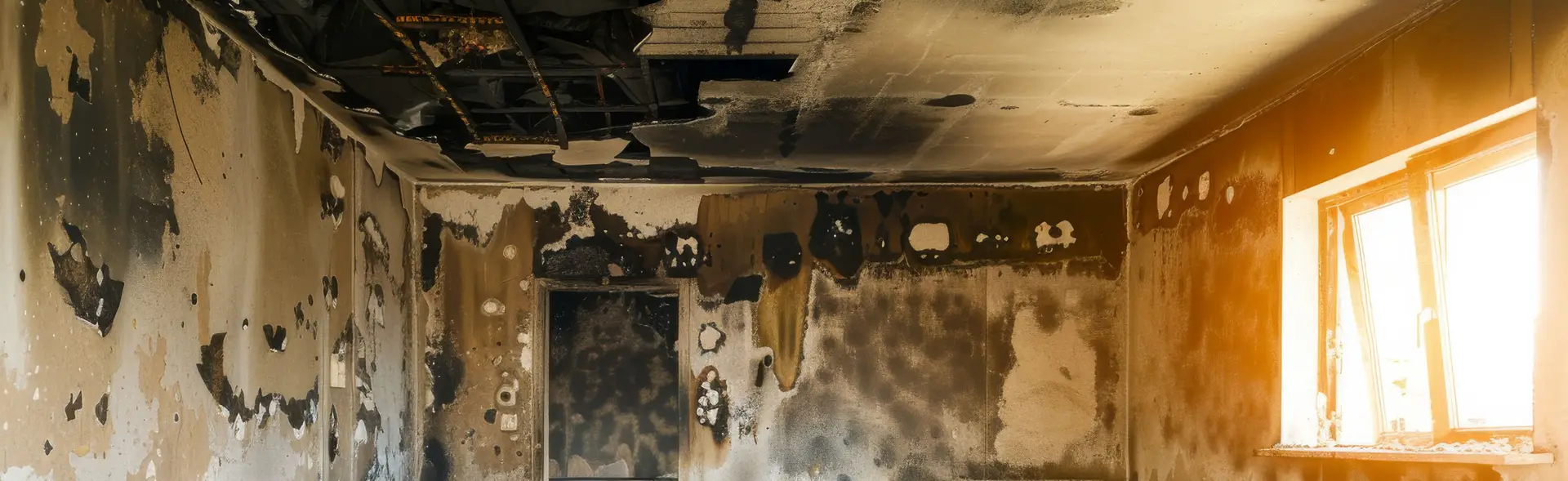
Fire and smoke damage inside a home before restoration

Our Process

  1. 1

    Emergency Contact

    We answer the phone 24/7. When you call, we start getting our team ready right away. Acting fast helps limit damage and keep your family safe. The person who answers will ask a few key questions. That helps our technicians prepare before they get there, so work can start sooner.

  2. 2

    Assessment & Board-Up

    We inspect the structure to see how strong it still is. We also check how bad the soot and smoke damage is. We board up openings to secure the property. We look past the damage you can see, too. We check hidden spots like attics and basements to lower the risk of future problems.

  3. 3

    Smoke and Soot Removal

    We use special equipment to remove smoke, soot, and residue. HEPA filters catch tiny particles in the air so they do not spread. We also clean less common damage, like smoke webs. These are strings of soot that look like cobwebs. This careful cleaning matters most in rooms like nurseries or rooms for older family members.

  4. 4

    Odor Neutralization

    We use thermal fogging and ozone treatments to remove smoke smell and clean the air. Thermal fogging sends a heated fog into the same places smoke reached. Our goal is no smoke smell in any room, from the kitchen to the bedrooms. We choose methods that fit each material and surface.

  5. 5

    Restoration and Recovery

    Once cleanup is done, we restore your property. We clean the structure, your belongings, and your electronics. Packing out your items and listing them helps keep losses low. We also work to save valuable items, like electronics and family heirlooms. We return them in good shape.

We Work With Your Insurance

Our crews document everything — photos, moisture readings, and a clear scope of work — in the format adjusters expect, and we communicate with your insurance company throughout the job. Norwood homeowners always know what is happening and what their policy covers before work begins.

AllstateState FarmLiberty MutualProgressiveNationwideFarmers InsuranceAmerican Family InsuranceChubbUniversal Property & CasualtyHeritage Insurance
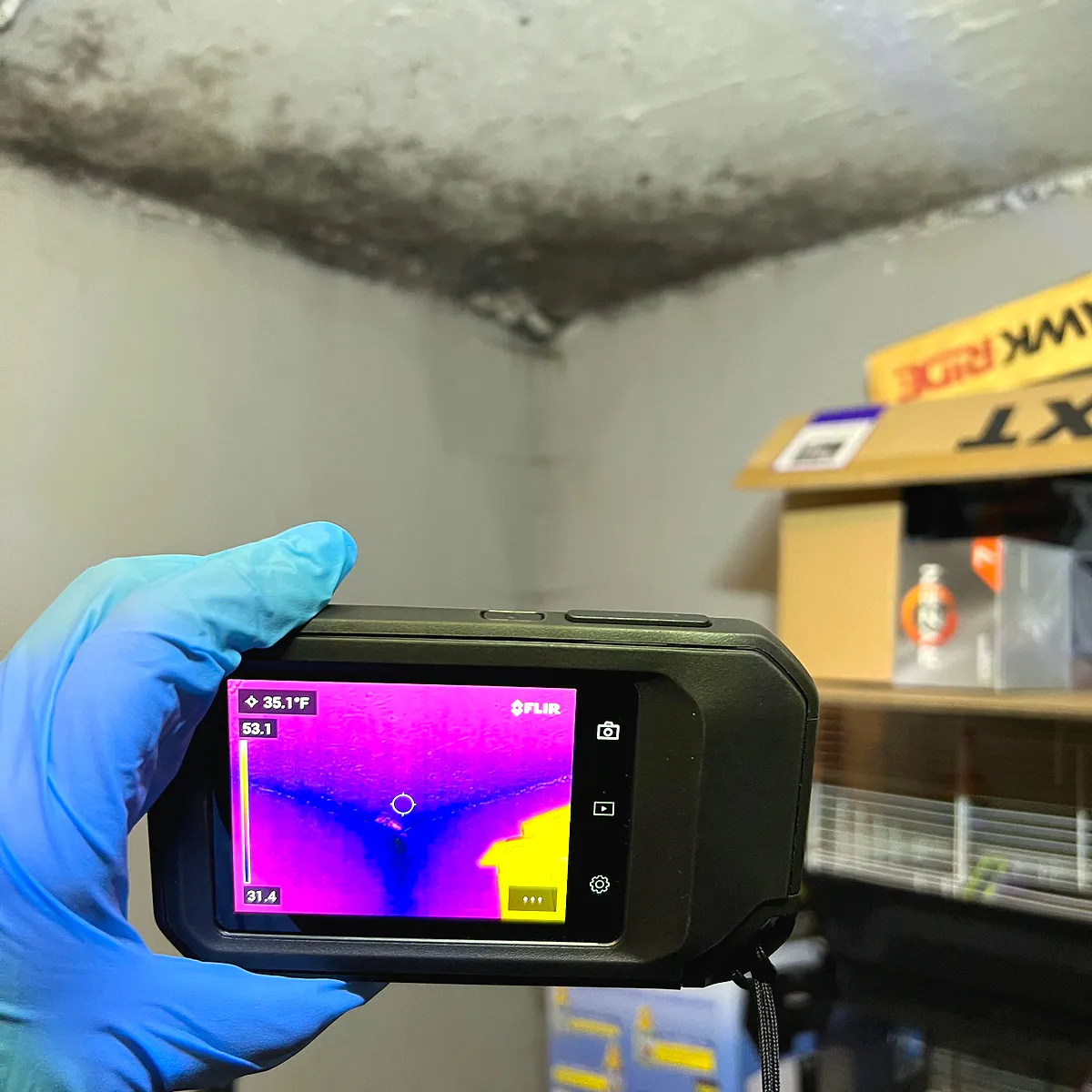
A thermal camera showing hidden moisture behind a wall

Frequently Asked Questions

Do you serve my city, town or ZIP code?

Norwood is inside the territory this office covers, along with Anderson Township, Blue Ash, Cincinnati, Deerfield Township, Fairfield and Indian Hill. Coverage follows your address rather than how far out a town sounds, so if you are near the edge of that list, give the cross streets or your ZIP code on the call and you will get a straight yes or no before anyone is scheduled.

The town I am in is not the one in your name — do you still come out here?

The city in the office name is where it is based, not the limit of where it works: Anderson Township, Blue Ash, Cincinnati, Deerfield Township, Fairfield and Indian Hill are covered the same way Norwood is. Franchise territories are drawn by area rather than by the single town on the sign, which is why the name on the door and the town on your mail often differ. Confirm your address on the call rather than ruling yourself out.

How quickly can a crew reach my address?

That depends on where in Norwood you are, the roads, and what the crews already have running, so any single figure published here would be guesswork. The phone is answered around the clock, and you get an honest arrival window for your own address on that call. If water is still coming in, say so first — the steps to take while you wait matter more than the drive time.

Do you work on rentals, condos, businesses and manufactured homes here?

Rentals, condos, storefronts, restaurants and manufactured homes are all routine work, and the building type changes the access and the drying plan more than it changes the method. ANSI/IICRC S500 sorts a loss into Class 1 through 4 by how much water the structure absorbed and how hard it is to dry, which reads the same in a crawl space as in an office. Who pays — owner, tenant or association — is set by your lease, declaration and master policy, so read yours.

Do you handle fire and smoke damage restoration, or only water damage?

Both. Fire and smoke work is its own discipline with its own standard, ANSI/IICRC S700, covering soot removal, odor control and the cleaning of surfaces flame never touched. Smoke residue sorts into four types — dry, wet, protein and fuel oil — each cleaned differently, so the scope comes from an inspection of your specific loss rather than from a list set in advance. Water damage follows a separate standard, S500, and many fire losses involve both.

Can smoke smell from cigarettes or marijuana actually be removed, or only covered up?

Masking fails because smoke odor is residue sitting on surfaces, not air. Deodorization works in four stages: remove the source material, clean every surface holding residue, treat what remains, then seal what cannot be cleaned. ANSI/IICRC S700 puts source removal before any sealing, and that holds for tobacco or cannabis alike. The EPA and CDC describe residual tobacco smoke settling into walls, carpet and dust long after the smell fades. Heavy saturation often means replacing some materials, and every house differs.

Can you keep the smell from spreading to the rest of my house while you work?

Containment comes first, before any cleaning. The work area is sealed with sheeting and held under negative pressure so air moves into the zone rather than out into the rest of the home, then exhausted through HEPA filtration, which captures 99.97 percent of particles at 0.3 microns, the hardest size to catch. IICRC S520 describes the same containment principle for mold work. How much enclosing a home needs, and how completely it holds, depends on how far residue already traveled.

How do I tell whether a smell is on the surface or coming from inside the wall?

Press a damp white cloth on a hidden patch. If residue transfers and that spot goes quiet, it was surface odor. If it returns a day or two after cleaning, or sharpens when the heating and cooling system runs, the source sits in a wall cavity, insulation or ductwork. ANSI/IICRC S700 treats odor as residue to be located, not covered, and protein residue leaves almost no visible mark while carrying strong odor, so a cloth coming back clean does not rule it out.

Request Service Online

Tell us what happened and we will call you right back. For emergencies, calling (513) 643-8700 is always fastest — we answer 24/7.

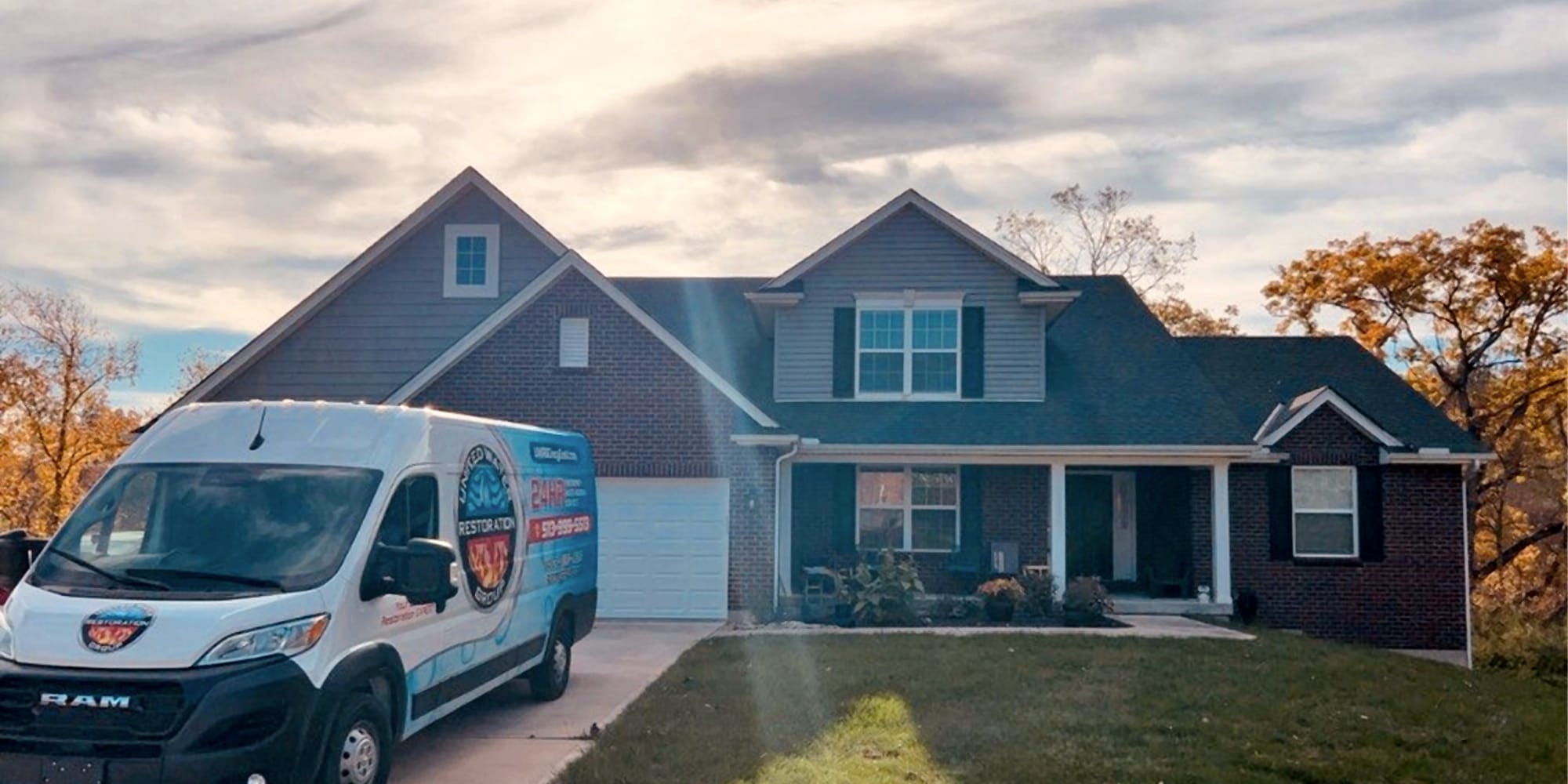
Our Cincinnati East van parked outside a customer home

In Case of Property Damage, Call:

513-643-8700

We answer around the clock and dispatch from right here in Sharonville.

IICRC Certified · Water · Fire · Mold · 24/7 Emergency Response