

Clean water
Water from a sanitary source — a broken supply line, a water heater, a tub left running. ANSI/IICRC S500 notes it does not stay Category 1 forever: time, temperature and contact with building materials can push it into Category 2 or 3.
Serving all of Cincinnati East · Open 24/7 · (513) 643-8700
Cincinnati East · Open 24/7
We clean up, dry out and restore water-damaged homes and businesses in Cincinnati. Water from a leak, a burst pipe or a flooded basement can spread fast. We answer the phone 24/7. We remove the water, dry the building and help with your insurance claim. Call (513) 643-8700 to get started.
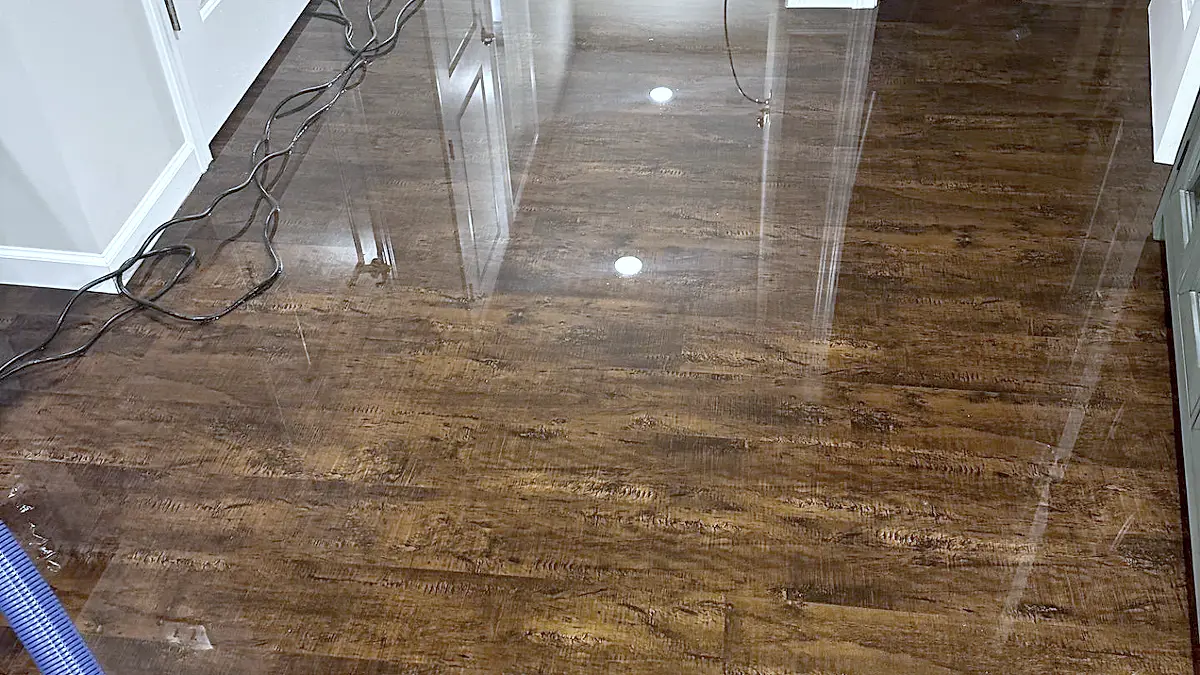
Restoration starts with getting the water out fast. We use strong pumps and vacuums to remove standing water. The sooner the water is gone, the less chance mold has to grow. Our certified technicians follow the IICRC S500 standard. The IICRC is an industry group that sets standards for cleanup work. S500 is its standard for water damage restoration.
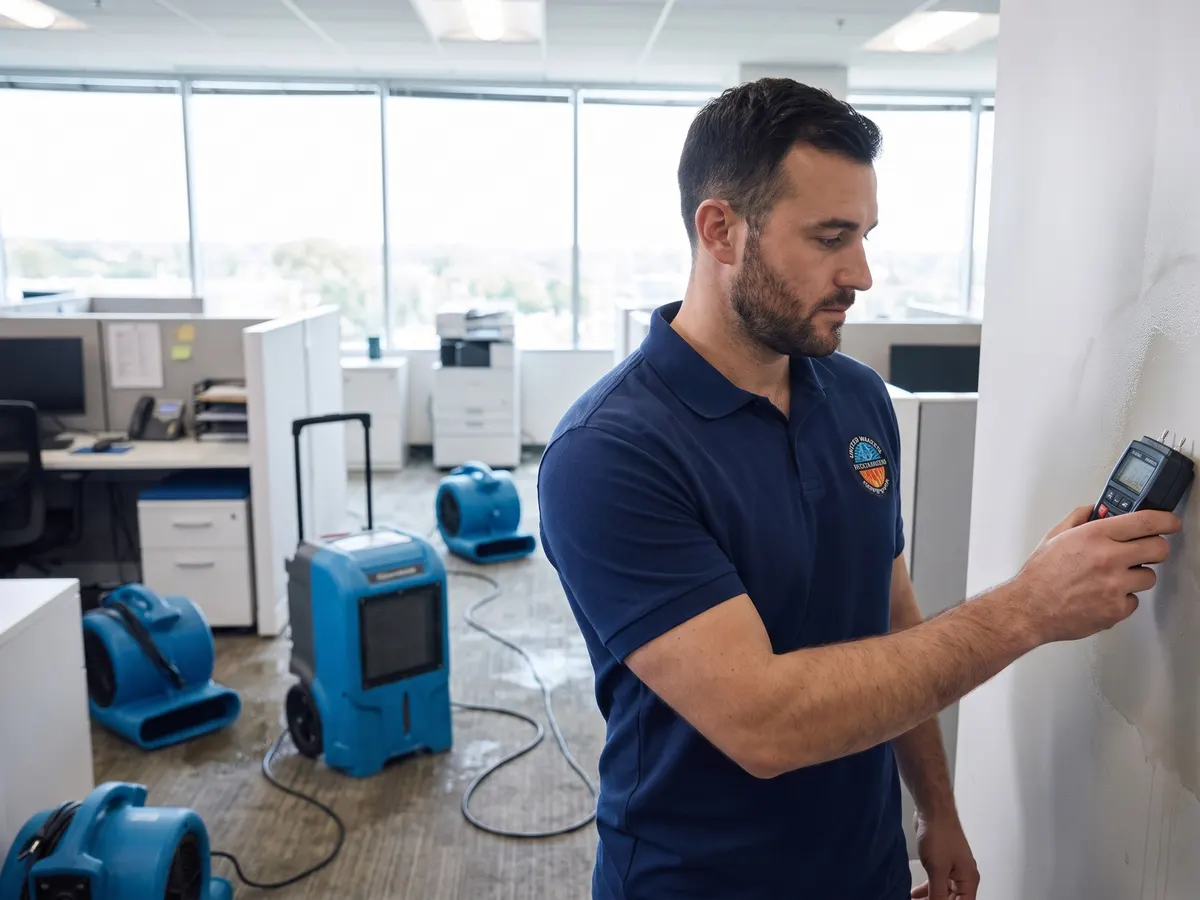
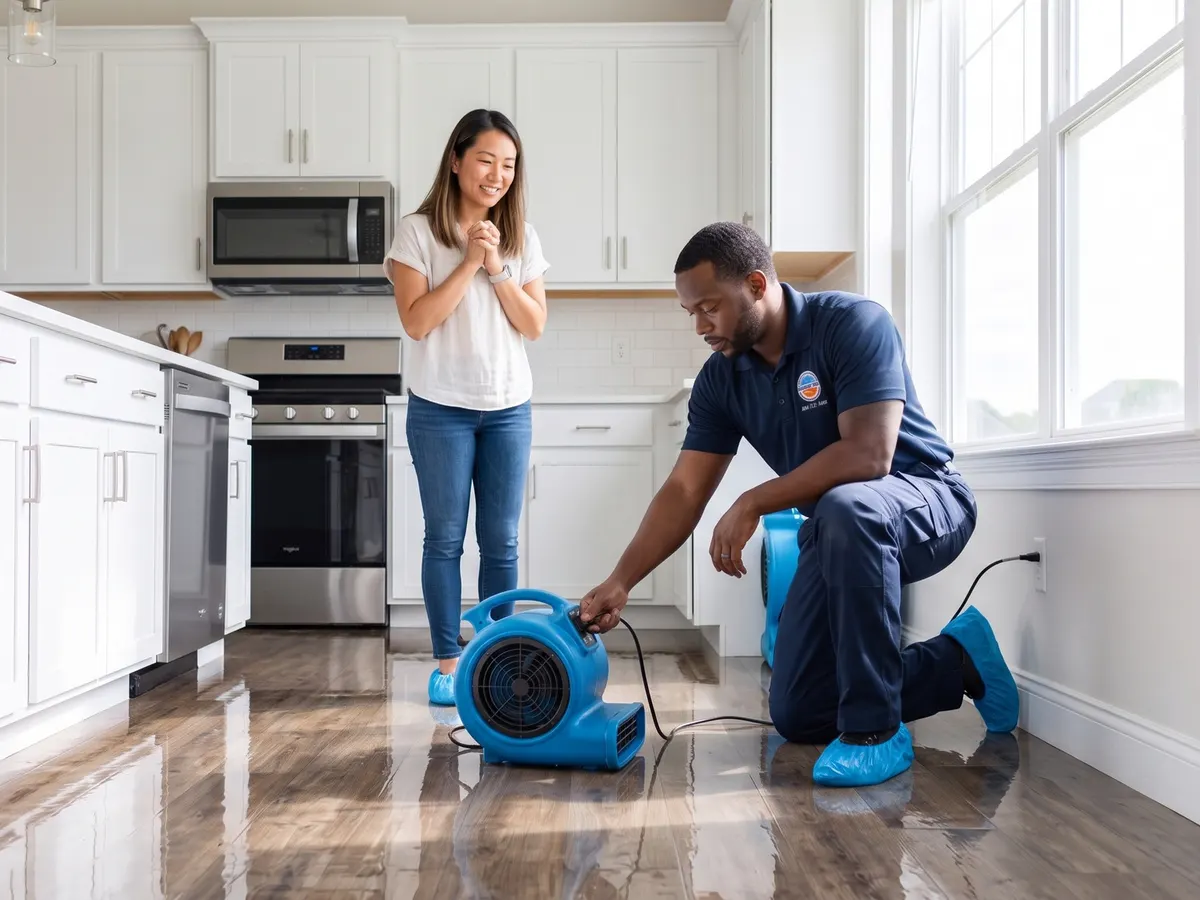
Next comes structural drying. That means drying the walls, floors and framing, not just the surface. We set up air movers, which are strong fans. We add low-grain refrigerant dehumidifiers, which pull water out of the air. We check humidity and temperature every day. Moisture meters and thermal cameras show us where water is hiding. This tells us where to place each machine.
Every home is different, from older houses to new builds. Hardwood floors can cup, which means the boards curl up at the edges. Wet drywall can sag or grow mold. Careful drying protects these materials and keeps your home sound.
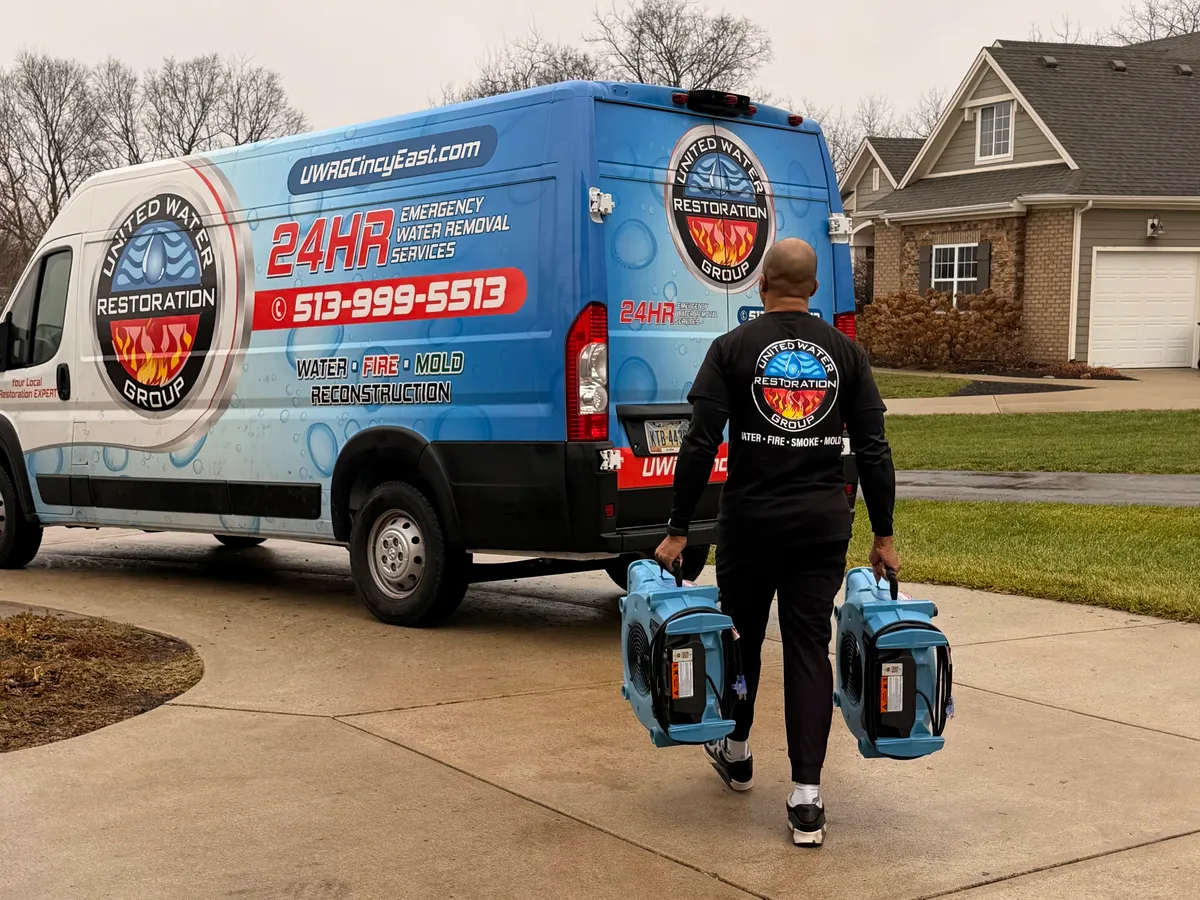
Ohio weather brings real water risks. Heavy spring storms can flood basements. Older pipes and sewer lines can leak or back up. In winter, frozen pipes can burst and pour water into a home. A failed sump pump can let water rise fast in a basement. We handle these problems in places like Fairfield, West Chester, Loveland and Lebanon.
No two homes are built the same. Some have full basements. Others have crawl spaces or different kinds of subfloors. So we map the moisture in each home before we start. Then we write a scope of work, which is a plain list of what needs to be done. We explain each step in simple terms. You will know what we are doing and why. That takes some weight off you during a hard time.
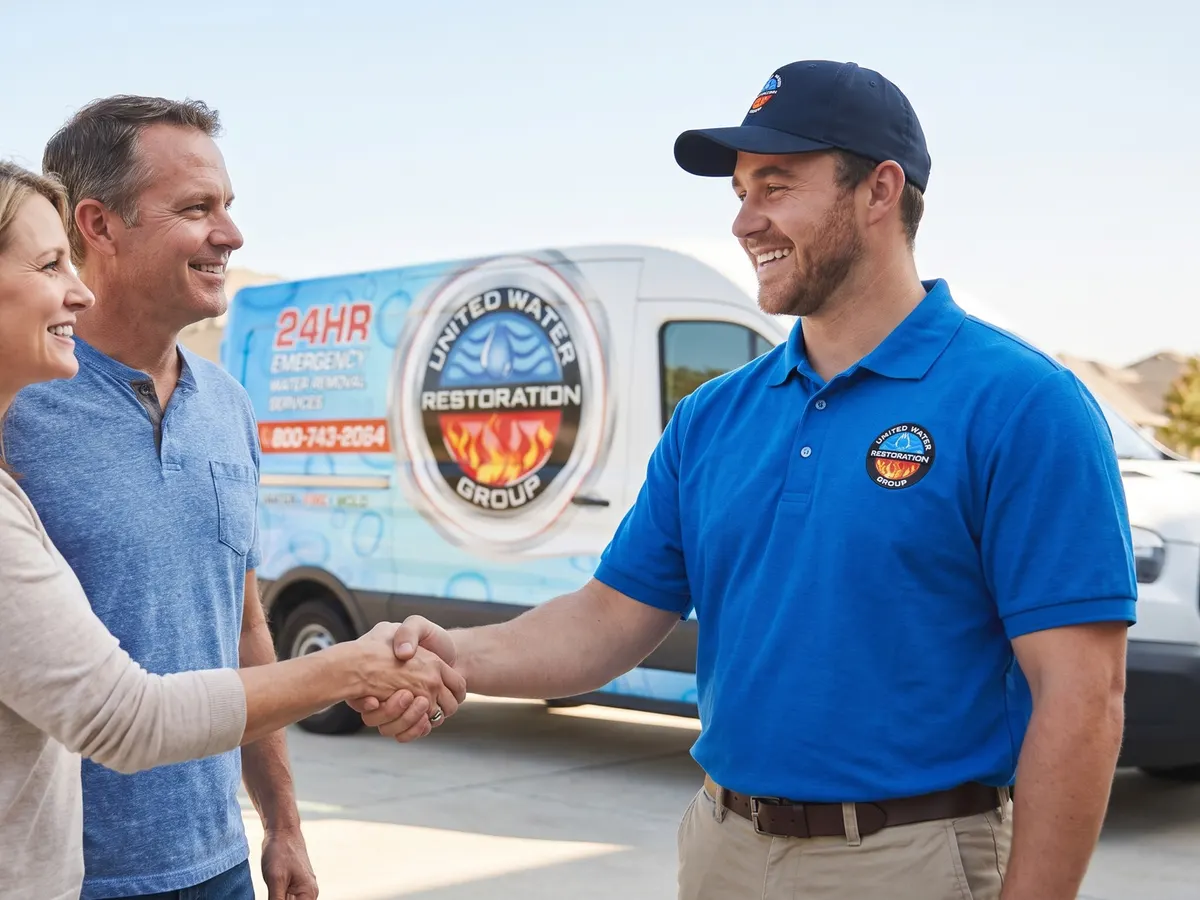
Insurance claims can feel hard after water damage. We help you at every step. We record the damage in detail. That includes daily drying logs and moisture reports. We work with your insurance adjuster. We use industry-standard estimating software to make the claim clear and complete.
Clear records can help the claim move faster, so you get paid sooner. Customers like Jennifer have told us they valued having one team handle both the restoration and the insurance help. We are open and honest about our work. We keep you informed from start to finish. Our goal is to restore your home and take some stress off your plate.
A few minutes of the right first moves can save thousands in damage. Here is what to do — and what not to do — before we arrive.
Crews are standing by in Cincinnati East right now.
Call (513) 643-8700How It Works
The hardest part of property damage is facing it on your own. You do not have to — from the first phone call, it is our job, not yours.
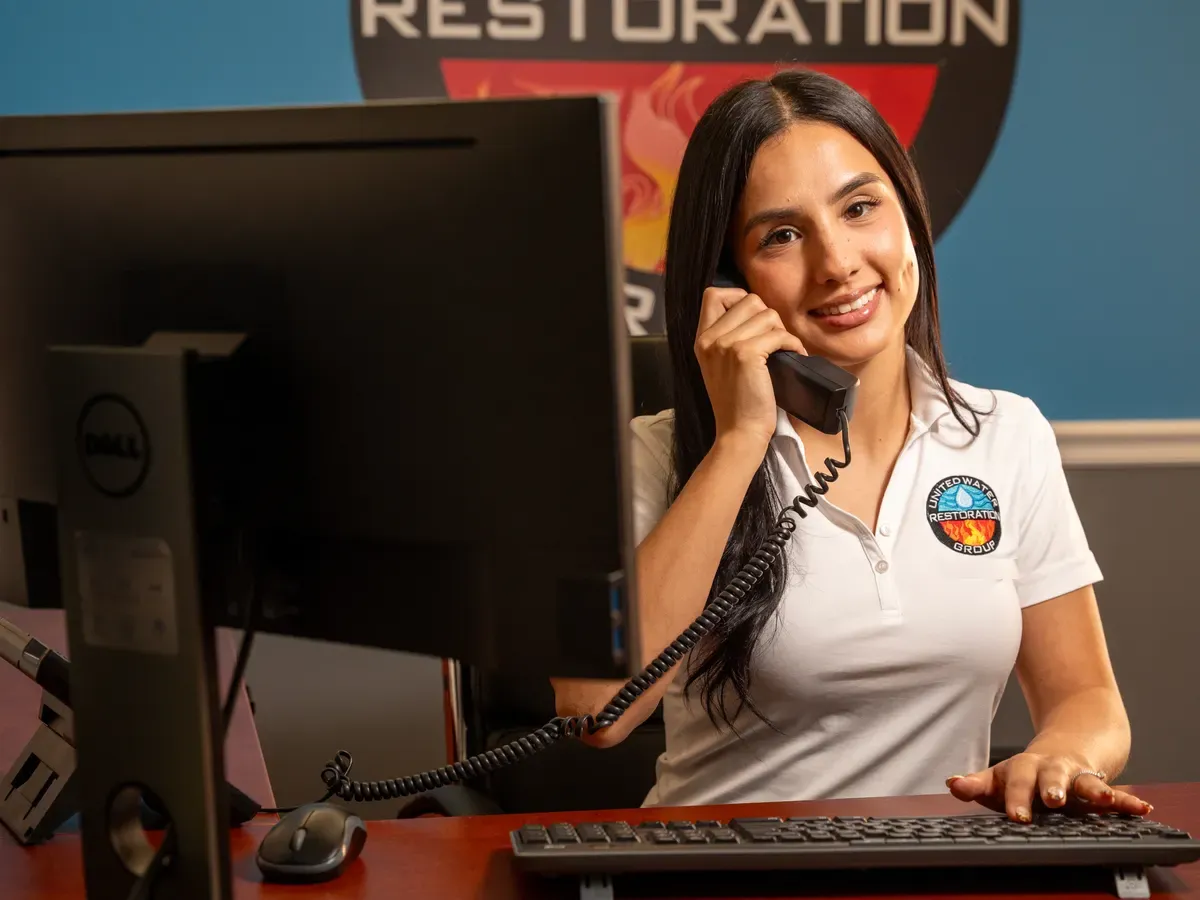
Step 01
Any hour, any day, your call is picked up by a real person on our Cincinnati East team — not a machine and not a national call center. We are locally owned and operated, so the people you talk to are the same people who show up at your door. From that moment, it stops being your problem to solve on your own.
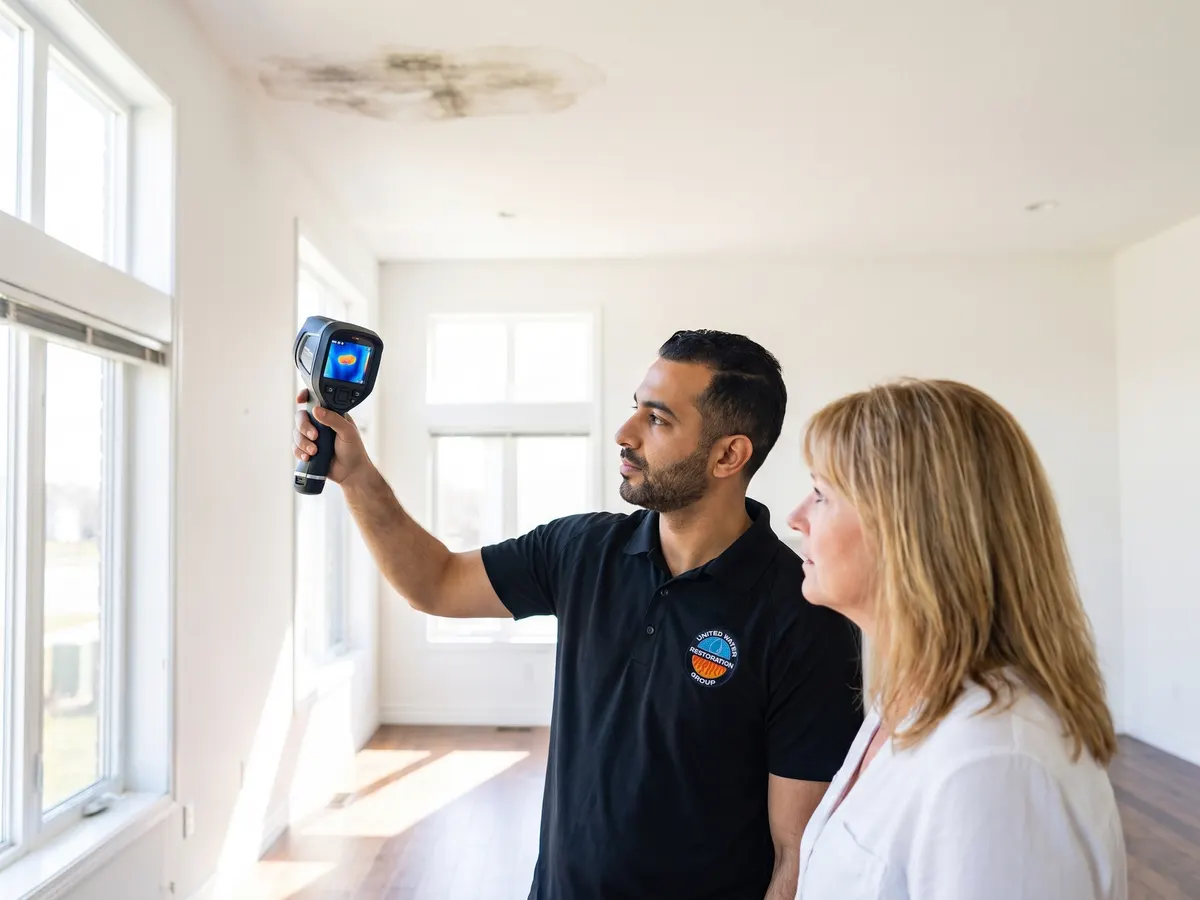
Step 02
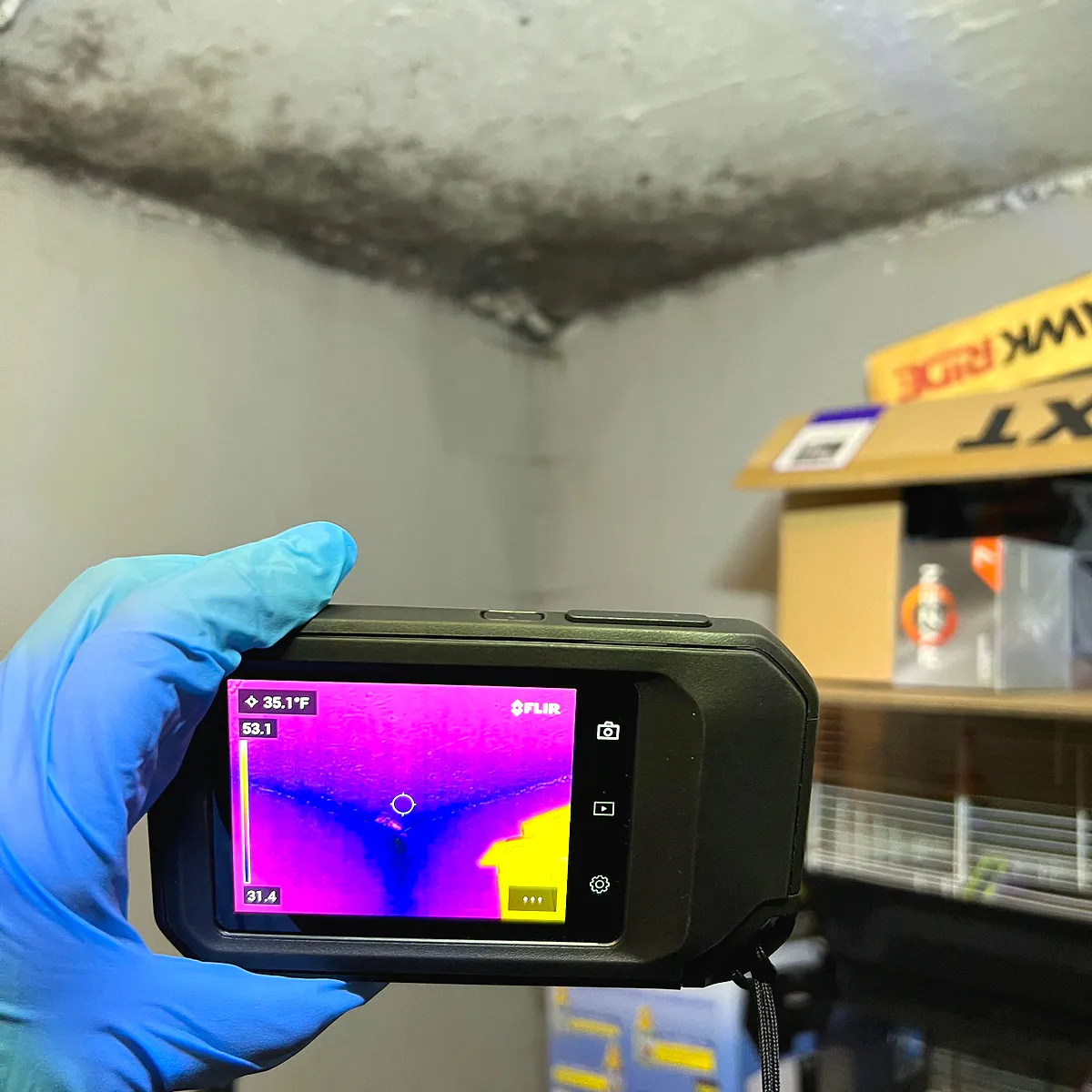
When we arrive, we inspect the damage with moisture meters and thermal cameras. We find the class of the water loss, which tells us how much is wet and how hard it will be to dry. Then we take emergency steps to stop more damage.
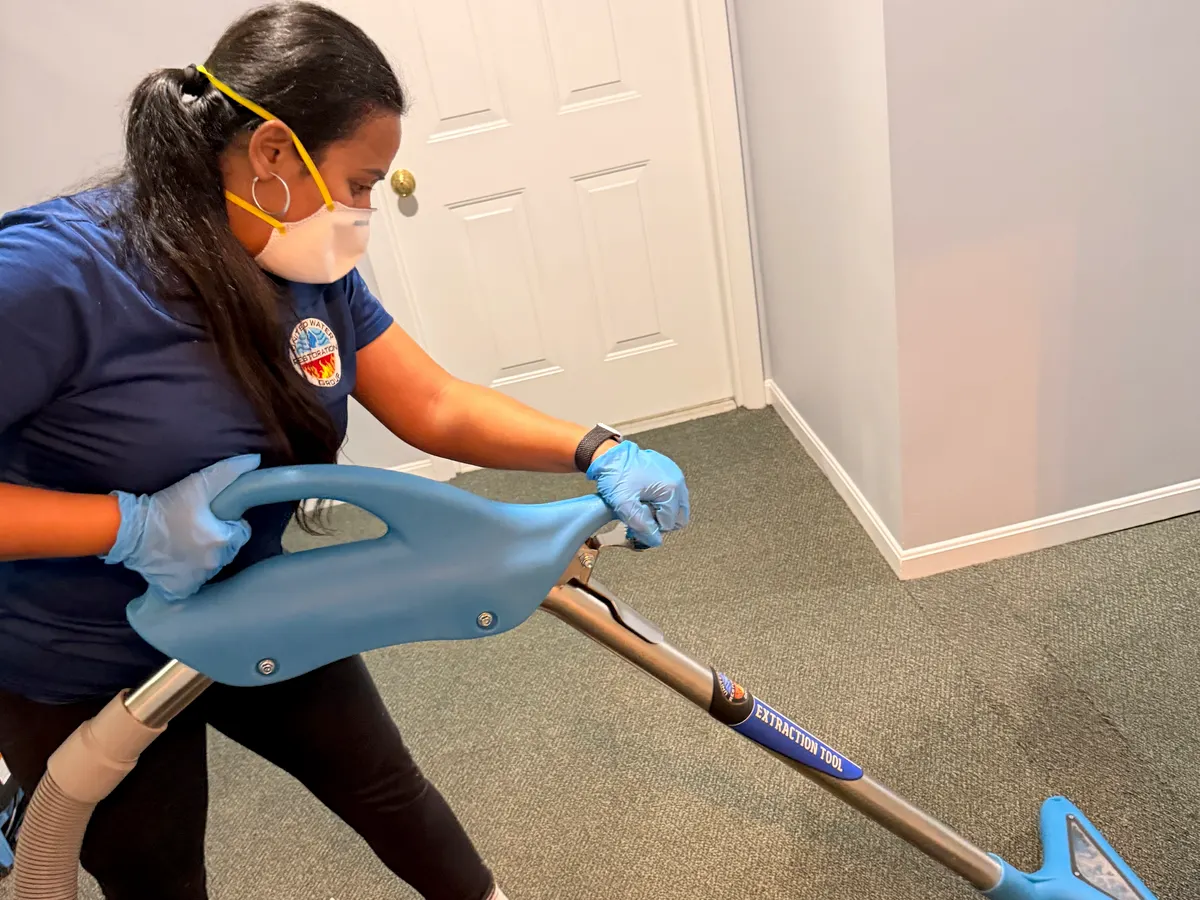
Step 03
We use commercial pumps and vacuums to pull out the water. Then we map the moisture. This finds hidden wet spots before they cause more damage, like mold.
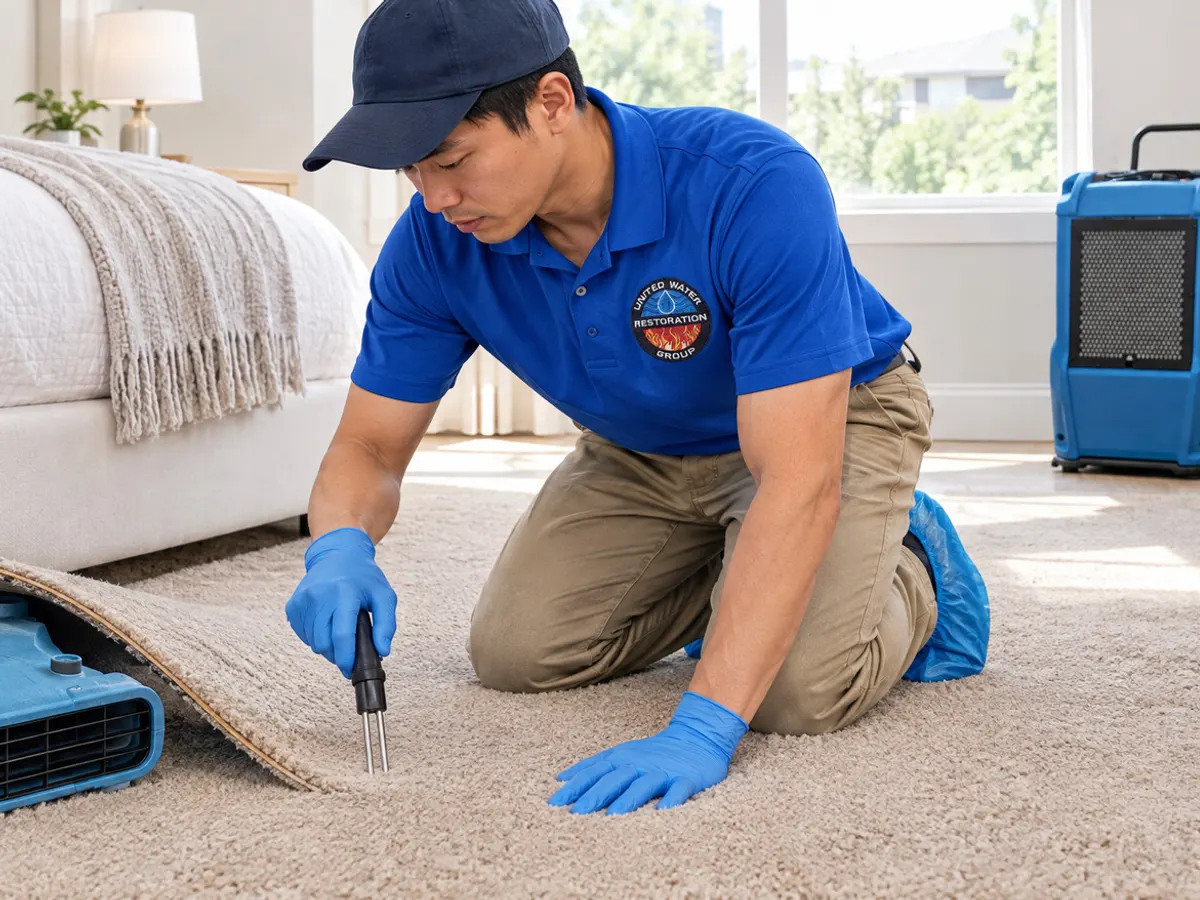
Step 04
We place air movers and low-grain refrigerant dehumidifiers based on our moisture readings. These machines dry the building and the air. This helps stop mold from growing.
Step 05
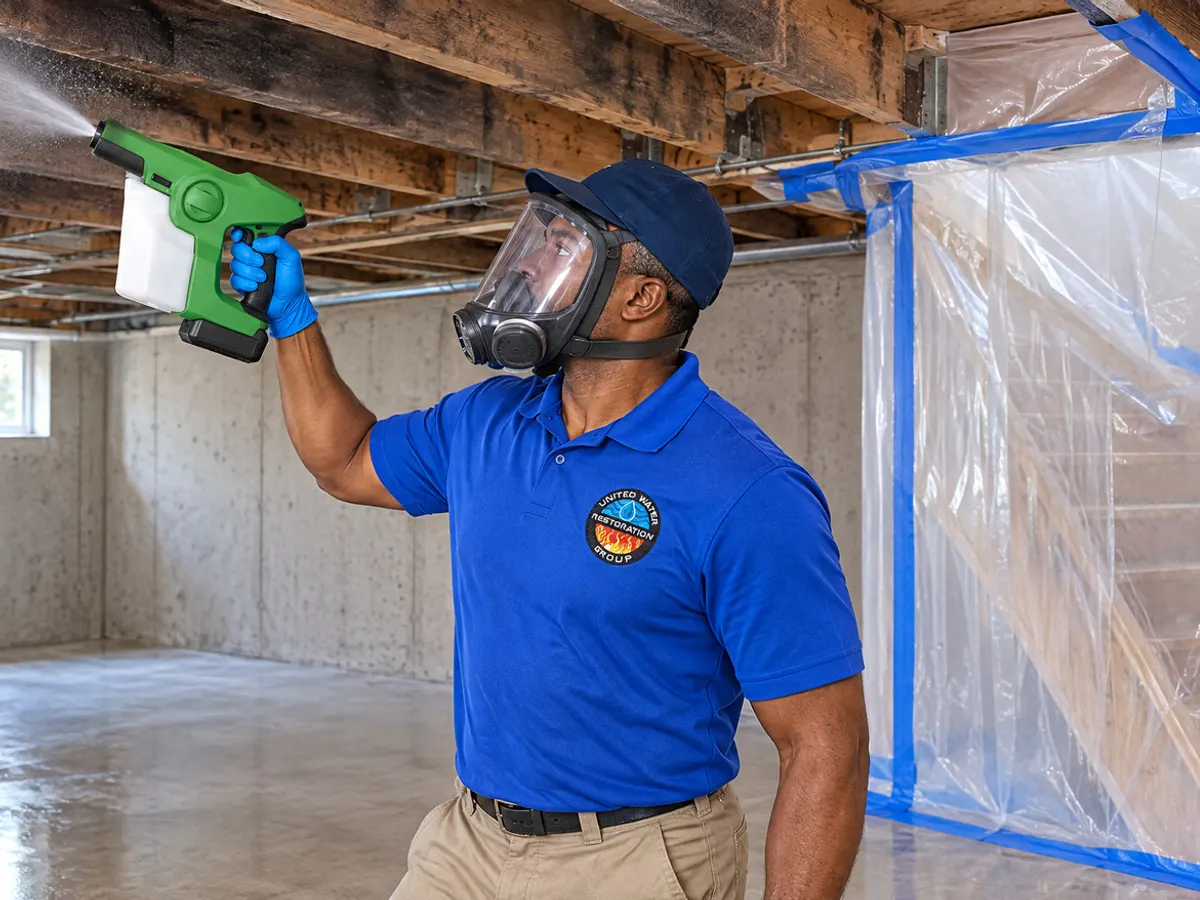
We apply EPA-approved antimicrobial treatments to clean the wet areas. An antimicrobial is a product that kills germs and slows mold growth. This makes the space safer and helps keep mold from coming back.
Step 06
We do a final inspection to confirm moisture levels meet the IICRC S500 standard. We write down what we found and go over it with you. Then you know your home is dry and safe.
The restoration standard sorts water by how contaminated it is, and that classification — not how much of it there is — decides what can be dried and what has to go.
Water from a sanitary source — a broken supply line, a water heater, a tub left running. ANSI/IICRC S500 notes it does not stay Category 1 forever: time, temperature and contact with building materials can push it into Category 2 or 3.
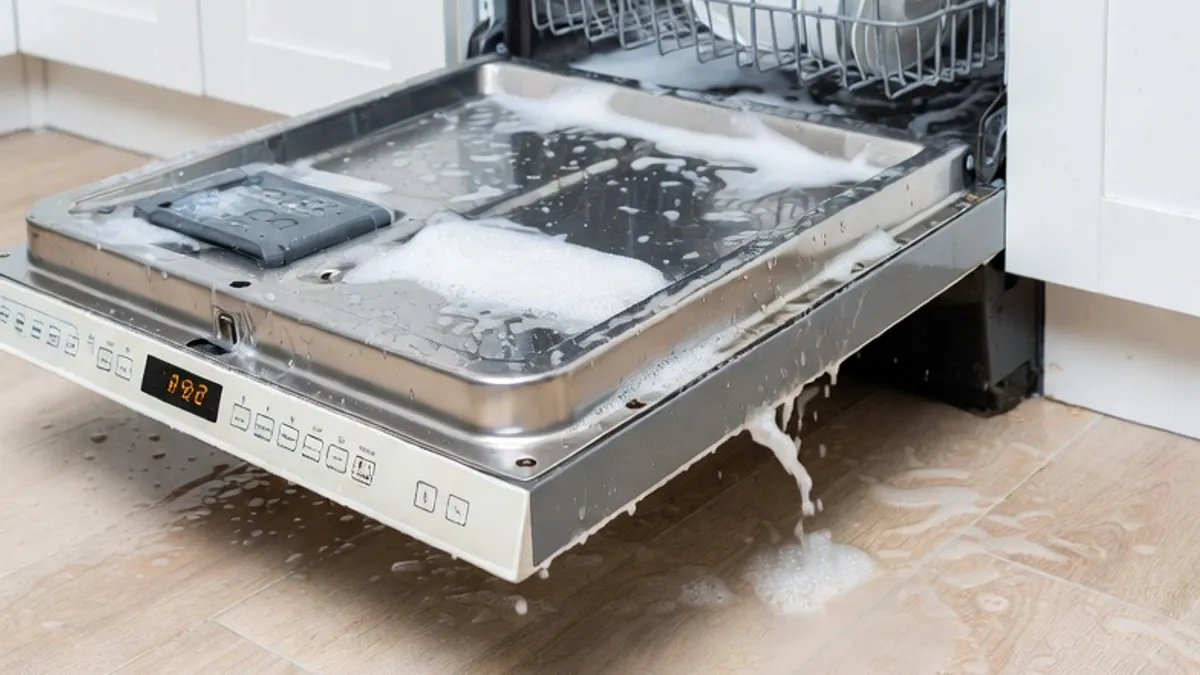
Water with significant contamination — enough that it could cause discomfort or illness if someone touched it or swallowed it. S500 puts dishwasher and washing-machine discharge, an overflow from the toilet bowl itself with urine but no feces, and seepage through a foundation under hydrostatic pressure in this group.
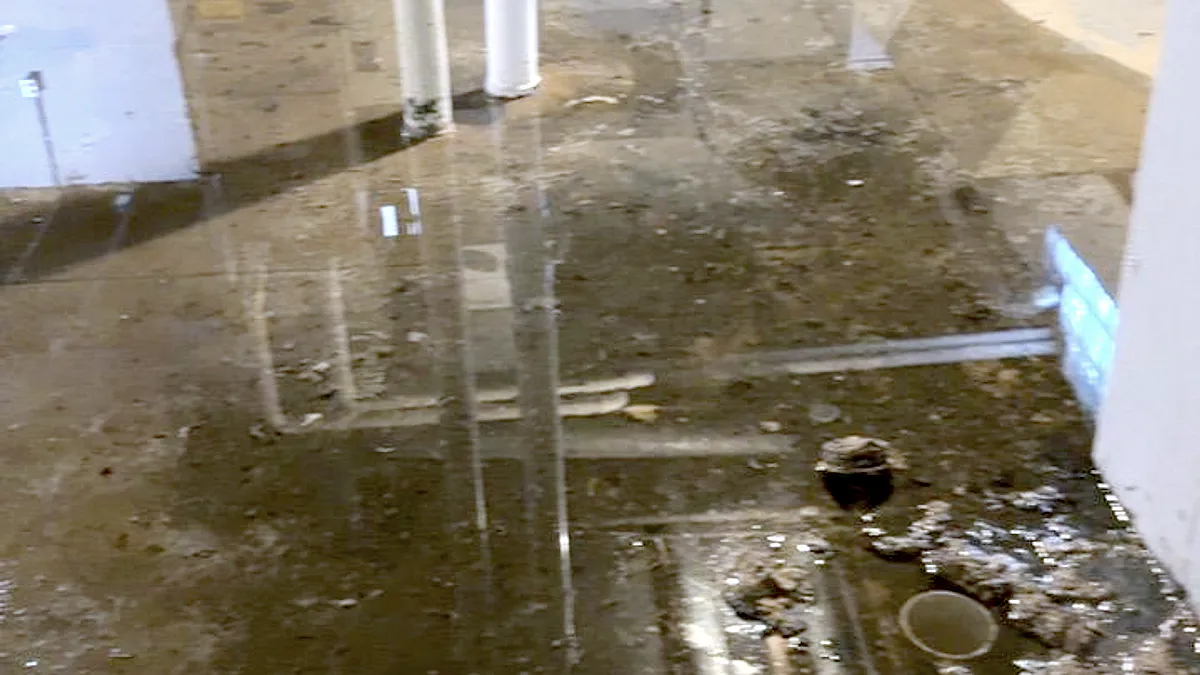
Grossly contaminated water that can carry pathogens — sewage, backups from past the toilet trap, and ground or surface water that has entered the building. S500 generally calls for porous materials that absorbed it, such as carpet cushion and insulation, to be removed rather than dried.
Classification per ANSI/IICRC S500, the industry standard for professional water damage restoration.
Water damage is not one event, it is a sequence. Each stage costs more to undo than the one before it, which is why drying starts before anything else does.
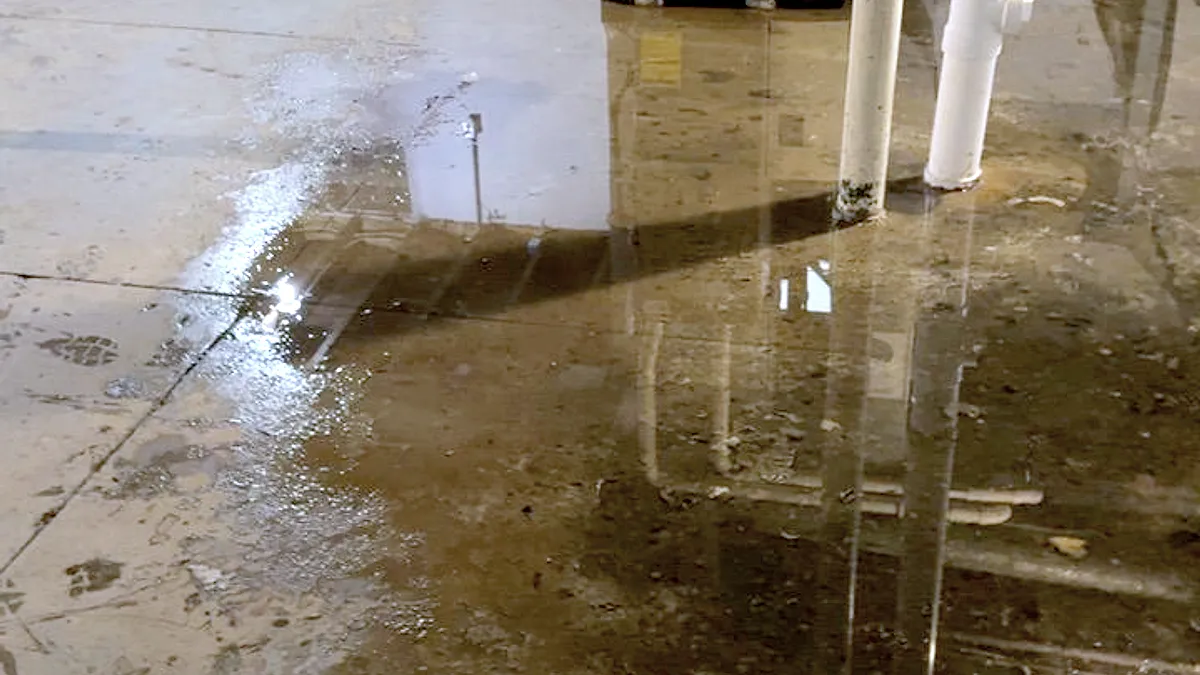
First hours
It runs along the floor and wicks upward into drywall, carpet cushion and insulation, so the wet area is already larger than the puddle you can see.
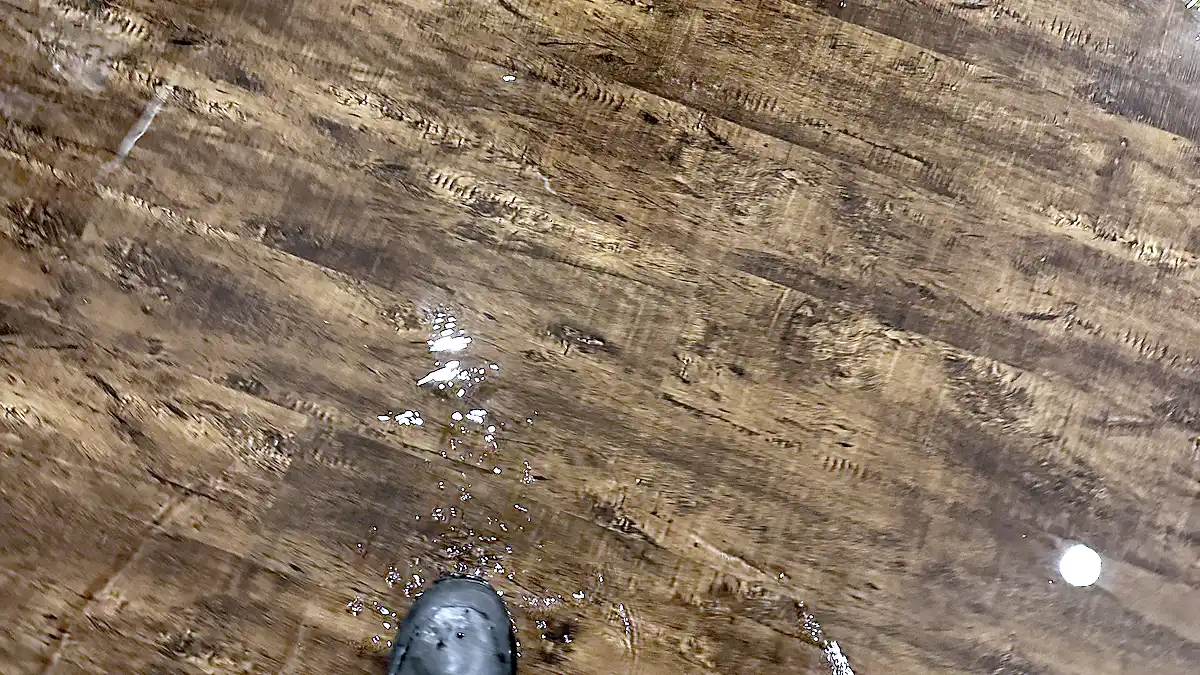
1–24 hours
Wood swells and cups, drywall softens, and anything made of pressed board or laminate begins to come apart at the seams.
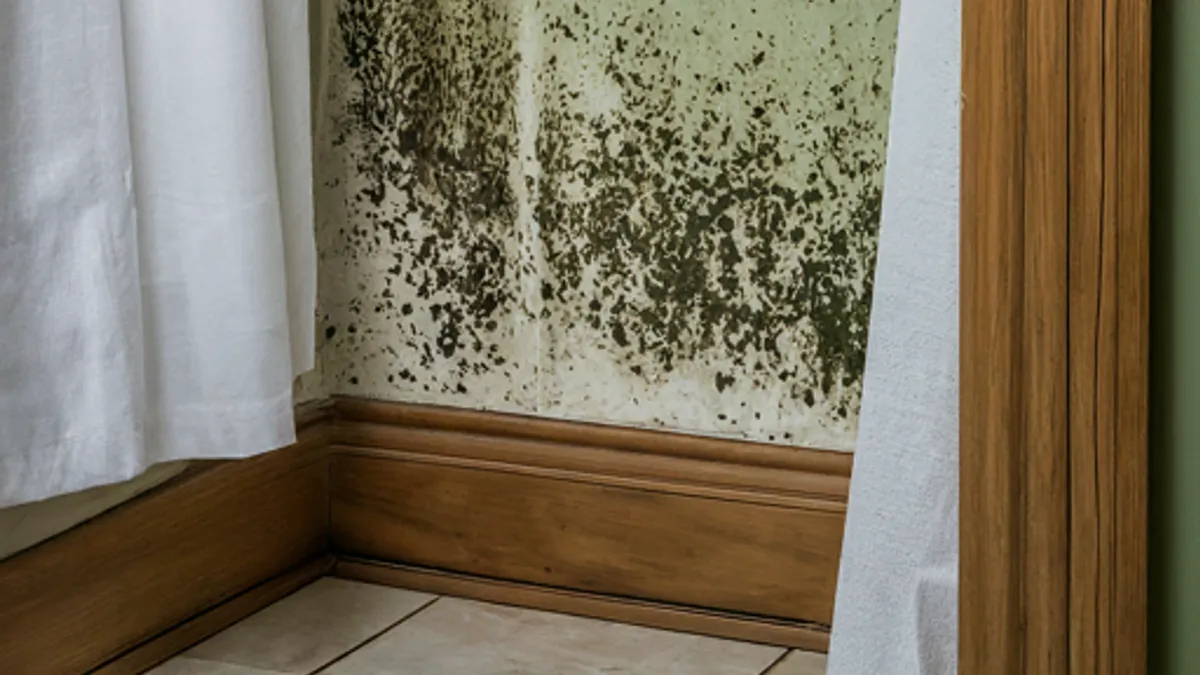
24–48 hours
EPA guidance is that wet material dried inside the first 24 to 48 hours will, in most cases, not grow mold. Past that window it can, and then the job is no longer only about water.
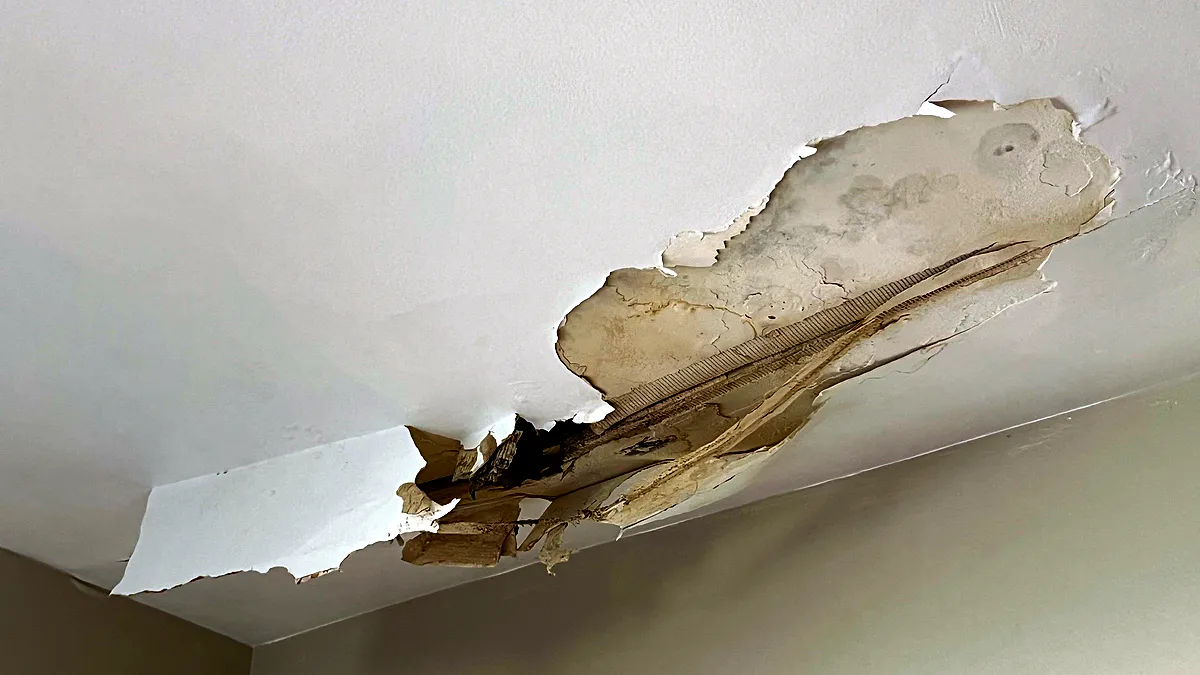
2–7 days
Paint and wallpaper let go, joints open up, and moisture travels through wall cavities into rooms that were never touched by the original leak.
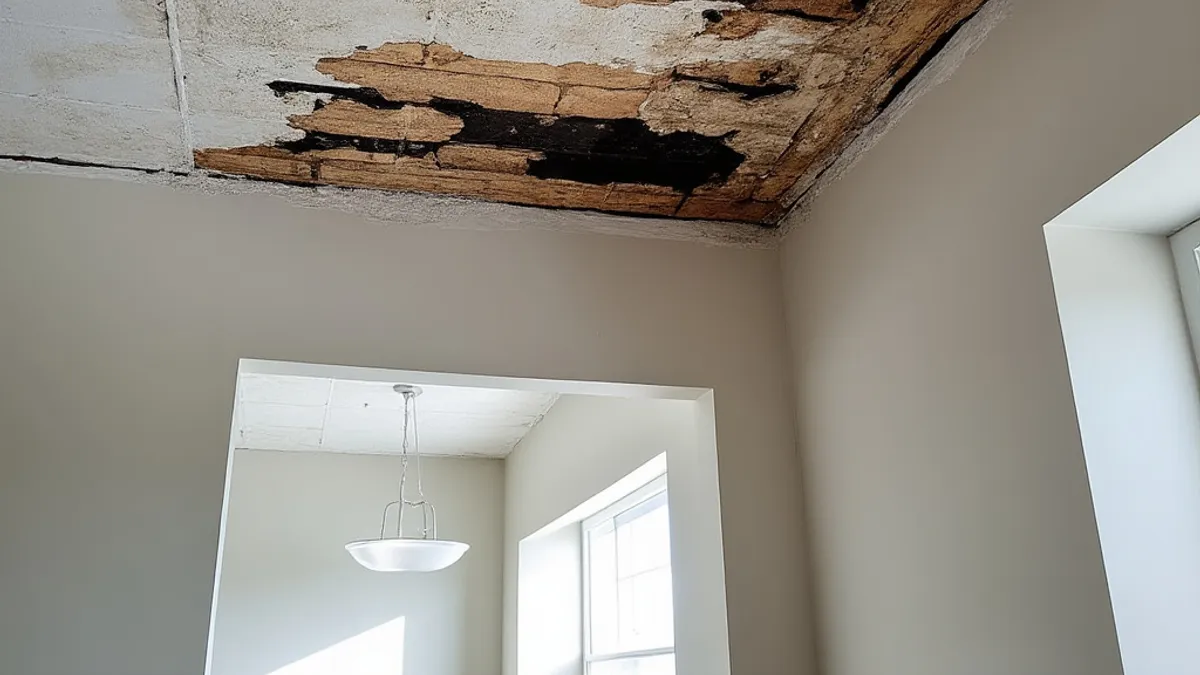
1 week or more
Once structure and finishes have held water this long, the work shifts from drying materials out to cutting them out and putting new ones back.
Mold timing per US EPA guidance on moisture and mold. The other stages vary with the material, the temperature and how much water is involved.
Drying a structure is a measured process, not a matter of pointing fans at a wet floor. Each piece of equipment does one job in that sequence.
Vacuum systems, truck-mounted or portable, that pull standing water out of carpet, cushion and hard surfaces. S500 prioritises physically removing water first, because extraction takes out far more of it, far faster, than evaporation ever will.
Low-profile blowers aimed along a wet surface rather than at it. They peel off the thin layer of saturated air sitting on the material, which is what keeps evaporation from stalling.
Air movers move water out of materials and into the air; dehumidifiers take it back out of the room. Refrigerant units condense it on a cold coil and drain it off, desiccants pull it onto a drying medium. Evaporated water that is not removed raises humidity, and dry materials can take it back on — what S500 calls secondary damage.
Pin and pinless meters read how much water is actually inside wood, drywall and subfloor. S500 sets the finish line as a dry standard — readings taken from unaffected material of the same type in the same building — not how a room looks or feels.
Temperature and relative humidity readings taken inside the drying area, outside it, and at the dehumidifier outlet. Comparing the three shows whether the setup is genuinely pulling water out of the building or just stirring it around.
A thermal camera cannot see water — it sees temperature. Wet material usually reads cooler because evaporation cools it, so the camera narrows down where water travelled behind walls and where to put a meter next.
Sheeting seals the work area and a HEPA-filtered machine holds it under negative pressure, so dust and spores leave through the filter instead of drifting through the building. IICRC S520 treats containment and HEPA filtration as standard controls when contaminated material is disturbed.
Floor mats and structural cavity drying systems move air through wall and ceiling cavities, under flooring, and into enclosed spaces such as the void beneath cabinets. The aim is to dry an assembly in place — where the category of water or the state of the material allows it.
Equipment roles per ANSI/IICRC S500; containment guidance per IICRC S520 and EPA mold guidance.
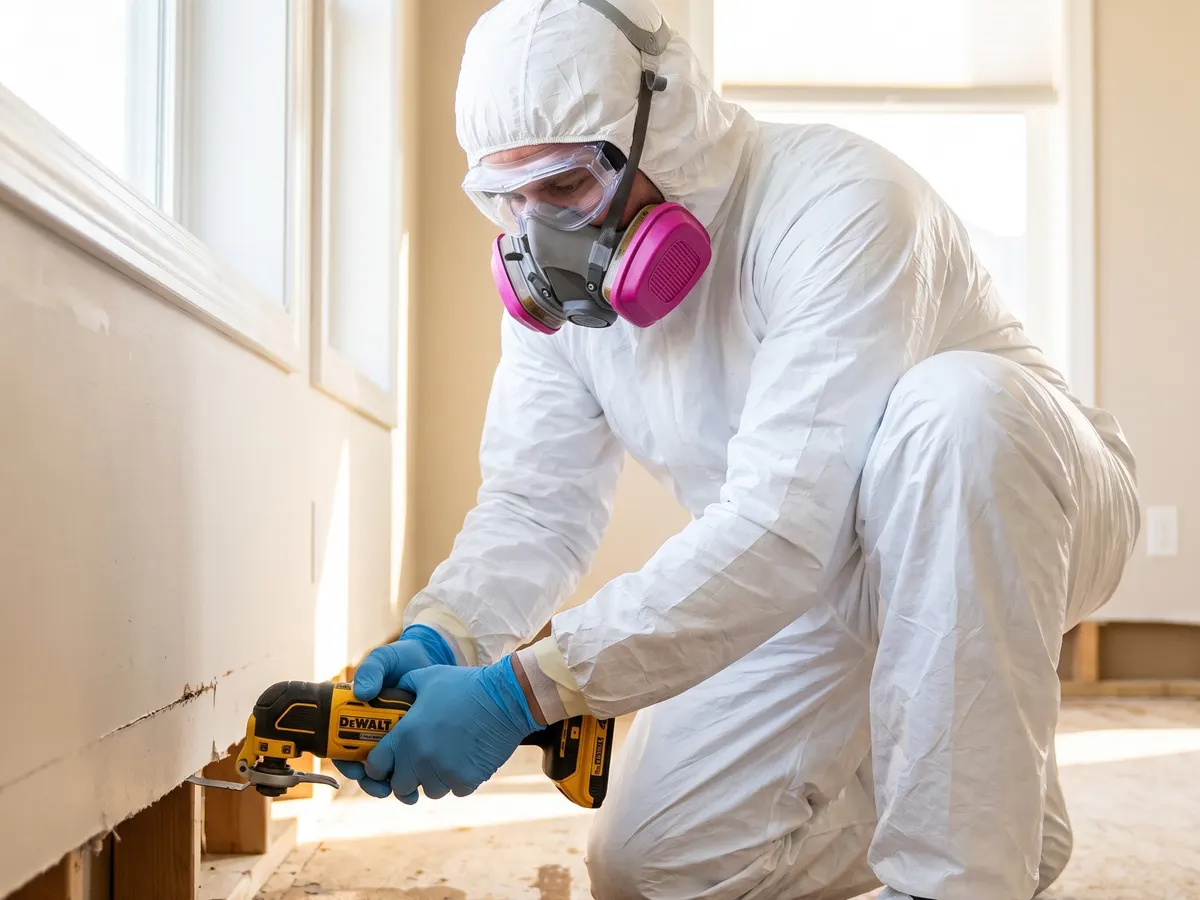
Drying in place is the goal, and it is often achievable. What decides it is the category of the water and what the material is made of — a measured judgement rather than a guess. Under ANSI/IICRC S500, porous materials that absorbed contaminated water are generally removed rather than dried, while materials wet by clean water can frequently be dried where they are.
Where an assembly has to be opened, it is opened deliberately: enough to reach wet insulation and framing, documented before anything is cut, and put back by the same company that took it out.
Restoration is stressful enough without fighting through a claim alone. Our crews document everything — photos, moisture readings, and a clear scope of work — in the format adjusters expect, and we communicate with your insurance company throughout the job. You always know what is happening and what your policy covers before work begins.










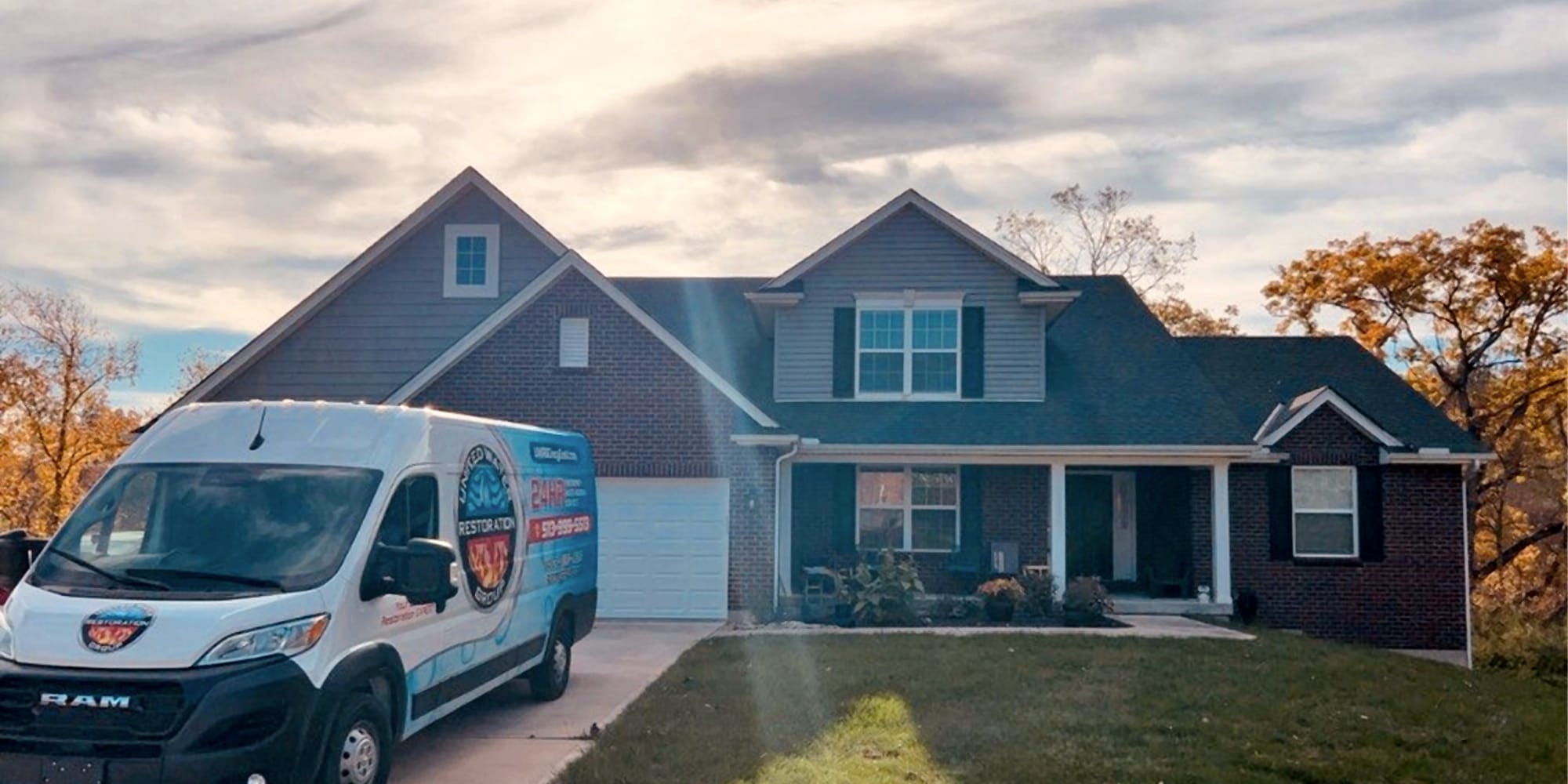
Water damage is stressful, but you do not have to face it alone. United Water Restoration Group of Cincinnati East has certified specialists and modern drying equipment. We give each job personal attention. We work to return your property to how it was before the damage. We handle flooded basements, burst pipes and storm damage. Call us at (513) 643-8700 for help today. We will be with you every step of the way.
It can take a few days to more than a week. It depends on how much is wet and what got wet. Porous materials like drywall soak up water and take longer to dry. Acting fast helps limit the damage. For help now, call us at (513) 643-8700.
It often does, but it depends on the cause. Sudden leaks and burst pipes are usually covered. Damage from floods, or from a problem left to get worse, may not be. Read your policy and ask your insurance agent to be sure.
First, stop the source of the water if you can, such as a leak or an overflow. Then move valuables and furniture out of the way if it is safe. Take photos of the damage for your insurance claim. Last, call a professional water restoration company like ours for help.
Often, yes, if they are dried quickly. But if they soaked up too much water or show signs of mold, they may need to be replaced. A professional check will show the right choice.
Your home is dry when the wet materials are back to normal moisture levels and damp smells are gone. Professionals check this with moisture meters. A moisture meter is a small tool that shows how much water is in wood or drywall. It is wise to let a restoration company check this for you.
Clean water comes from sources like a broken pipe or rain. Black water is dirty water from sources like sewage or a flooded river. It can carry germs that make people sick. The type of water changes how we clean up and what safety steps we take.
What you can see is the surface. Subfloor, wall cavities and insulation hold water long after a floor feels dry underfoot. EPA guidance is to dry water-damaged areas and materials within 24 to 48 hours, because in most cases that is what keeps mold from starting — and the only way to know a material is dry is to measure it.
By measurement, not by calendar. ANSI/IICRC S500 works from two reference points: a dry standard, which is a reasonable approximation of a material’s moisture content before the water got in, and a drying goal for the end of drying. The dry standard is commonly established by reading unaffected material of the same type in the same building, and readings are recorded as drying progresses.
Often, though not always, and it is decided by moisture readings rather than by how bad the cupping looks. Wood cups because the underside is wetter than the top, and specialty mat systems can draw that water back out through the surface. Two things usually end the conversation: water that sat long enough to delaminate an engineered plank, and contaminated water that got underneath. Sanding is the last step, never the first — a floor sanded flat before it finishes drying will crown as it dries.
Please leave it running. Drying is a continuous cycle of evaporation and dehumidification, so hours with the equipment off are hours the materials sit wet. Ask the crew to reposition or re-angle a unit if a room is impossible to sleep in, and if the running cost is the worry, raise it with your adjuster.
Usually not as a first step. EPA guidance is that sampling is generally unnecessary when mold is already visible, because the response is the same either way: fix the moisture and remove the growth. Testing earns its place in narrower situations — confirming a suspected hidden source, or documenting conditions when something is in dispute.
It can, and it is worth knowing before you file. Many homeowners policies draw a line between a sudden, accidental discharge and damage that developed gradually, and the wording varies from policy to policy. Read your own coverage and ask your adjuster directly rather than assuming it either way — and from the start, document what you found and when you found it.
Tell us what happened and we will call you right back. For emergencies, calling (513) 643-8700 is always fastest — we answer 24/7.
In Case of Property Damage, Call:
513-643-8700We answer around the clock and dispatch from right here in Sharonville.
IICRC Certified · Water · Fire · Mold · 24/7 Emergency Response