

Sewage water damage can be caused by disasters and by sewage simply backing up into properties from clogs, failing pipes, and frozen conditions. No matter why it happens, this type of damage can lead to an extremely serious situation that needs to be addressed quickly by professionals.
Sewage damage is even worse than regular water damage because sewage is full of pathogens and bacteria. When addressing sewage damage, restoration teams follow a system for dealing with the mess before it causes health problems. It’s important to note that restoration teams don’t begin sewage cleanup until the area has been evacuated because of both health and safety risks.
Assessment
The first thing a restoration team will do is conduct a thorough assessment. They will see what structural damage has occurred and make sure that there are no existing or potential electrical dangers. This is all similar to what professionals would do with any water damage, but with issues involving sewage, they will also do a comprehensive check for pathogens and bacteria in water to assess health risks.
Water Removal
Once the area has been assessed, it’s time to remove water with powerful pumps and vacuums. Additionally, drywall, carpeting, and other materials that can’t be salvaged need to be removed and disposed of. A professional team will know how to get rid of it all in accordance with environmental regulations.
Sanitizing
The restoration team sanitizes the affected areas by using cleaners approved by the EPA to get rid of the many harmful microorganisms that can be found in sewage water. They use thermal fogging and ozone generators to get rid of odors, and then they use more cleaners to prevent the growth of mold.
Drying
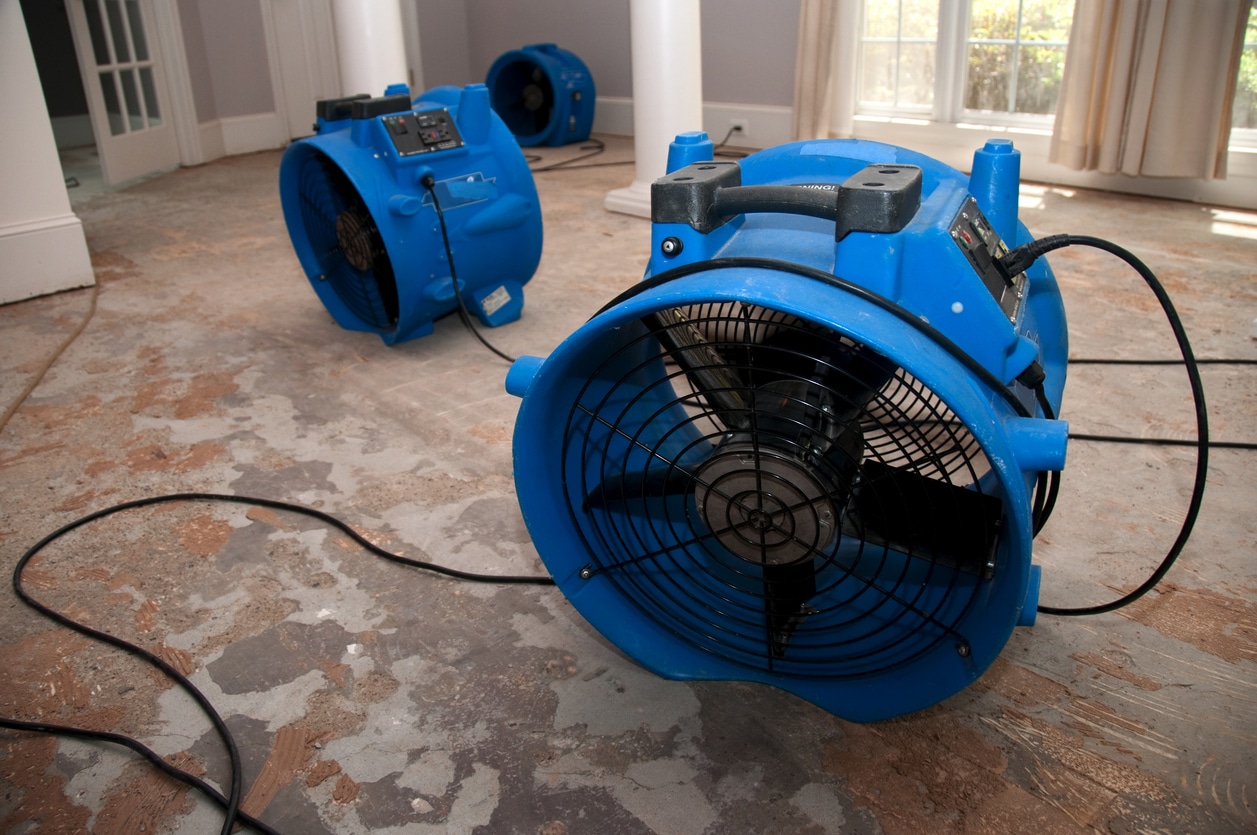
Drying is done using many of the same methods used for other types of water damage. Powerful dehumidifiers and fans are left running for days until all moisture has been removed. If any structural framing was damaged and needs immediate reinforcement for safety, that work may begin during this phase. Work involving drywall, cabinets, and other components will be put on hold until the area is confirmed fully dry.
Final Steps
The last thing a restoration team will do is conduct a full inspection. They will check to make sure that moisture levels are within acceptable ranges and that there is no ongoing contamination. They will also check to make sure that the damaged area is structurally safe. Only when all of this has been done is it time for the remaining restoration work to be completed.
Cleaning up damage from sewage is not DIY work. Fortunately, there are teams ready to help you with it, and it’s a good idea to have one in mind before the damage happens. When you need sewage cleanup services in Cincinnati, OH, contact United Water Restoration Group of Cincinnati.